Creativity in Care Homes


Creativity in Care Homes
Sharing international perspectives on arts and creative practices in care settings across Europe - Somerset House, London. 19 November 2025
Last month we gathered at Somerset House to explore a question that affects us all: what does creativity look like in a care home, and why does it matter? We were delighted to welcome guests from across the UK, Finland, France and Belgium for a day of sharing inspiring practice, new ideas and hopeful possibilities for the future.
Highlights From Across Europe
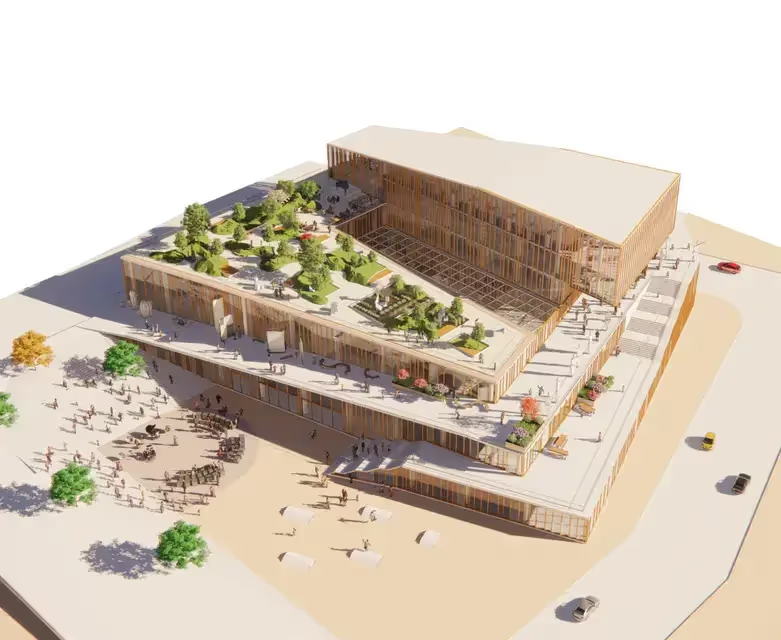
One of the most talked-about sessions of the day came from Maison Gertrude in Brussels. Géraldine Maes and Isabelle Collard shared how their arts centre sits inside a nursing home, transforming ordinary spaces, corridors, gardens, even the morgue, into places for creativity. Residents, staff and visiting artists make the work together, and over 1,300 people have visited since June 2025. It’s an extraordinary example of how the arts can change how we see ageing and care.
From Finland, Raisa Karttunen introduced the role of the Cultural Instructor, a trained arts professional who works as part of a care home team. Their job is to make sure residents keep access to culture, music, creativity and shared experiences. This approach is backed by the Finnish government and has helped make participating homes more vibrant and attractive places to live and work.
Colleagues from Art Explora (France and UK) shared their volunteer-led Arts at Home/Apartes programme, which brings museum-inspired sessions directly into care homes. They emphasised the importance of training, good support and clear roles so volunteers can build meaningful relationships with residents.
Creative Approaches Closer to Home
We heard from several UK organisations doing remarkable work.
Leeds Playhouse shared their dementia-friendly theatre productions, developed with input from care home residents.
Entelechy Arts reminded us that creativity doesn’t always look like a big project—sometimes the most powerful moments happen one-to-one at someone’s bedside.
Equal Arts described how they build long-term, community-focused programmes with families, staff and residents, while Manchester Camerata spoke about their Music Champions training, which helps care staff and volunteers use music confidently every day.
What We Discussed
Across the round tables, a few key themes stood out:
Creativity makes a difference. People shared powerful examples of improved wellbeing, confidence and connection.
Funding and sustainability remain challenges. Many groups are working hard to keep creative programmes going long-term.
Staff matter. Creativity thrives when carers and activity coordinators have time, support and recognition.
Volunteers play an important role. With the right guidance and training, volunteers can bring joy and companionship into homes.
Cultural organisations have a part to play. Many felt that local theatres, museums and arts groups should be more connected to their nearby care homes.
A Shared Sense of Purpose
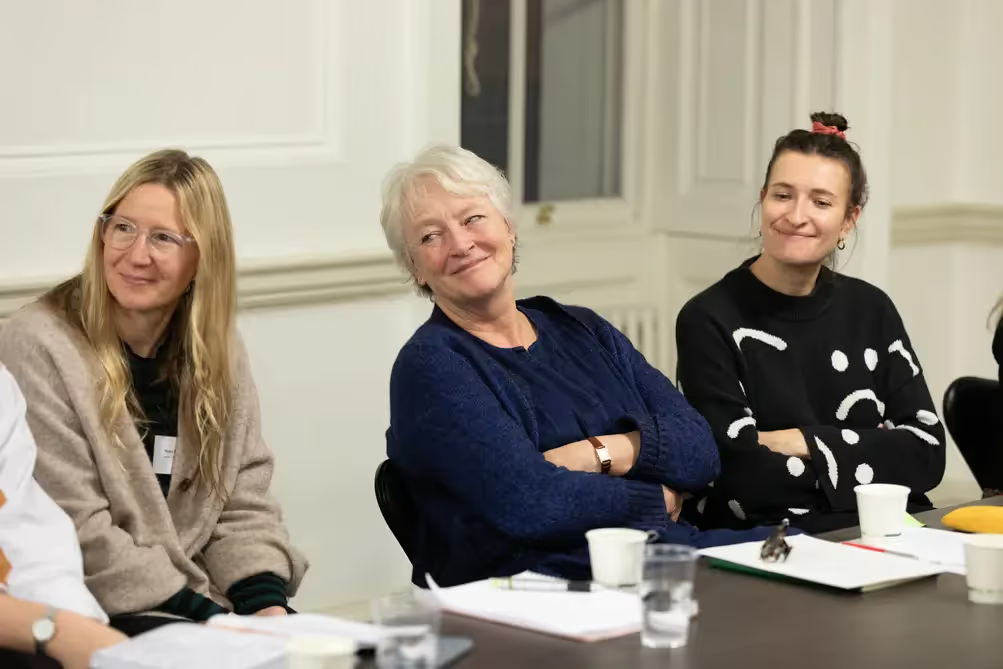
Our evening reception welcomed a wider group of colleagues from across the sector for an open, inclusive space to share practice and connect. Short presentations from our European visitors along with a Q&A was chaired by David Cutler from the Baring Foundation, sparking reflections on cultural rights, sustainability and what we can learn from one another.
Throughout the evening, our Music at Home programme partner Spitz Music performed live, creating a warm and uplifting atmosphere for conversation and exchange. Guests used the time to network, swap ideas and celebrate the breadth of creative work happening across care settings in the UK and Europe.
The reception acted as an open invitation, an encouragement for everyone present to continue collaborating, supporting residents and staff, and strengthening the role of creativity in care. Across countries and communities, the shared commitment to dignity, connection and cultural rights was unmistakable.


.avif)