
.webp)
%20QUIL%20RESTE_N%C2%B0%205%20(2).webp)
%20QUIL%20RESTE%20N%C2%B01%20(1).webp)
.webp)
.webp)


Conference - Living in a Changing World, Aimée Bouchet
Des villages yup'ik d'Alaska aux glaces de l'Antarctique, Aimée Bouchet parcourt des territoires en profonde transformation. À travers récits d'expédition et photographies, elle explore un espace décisif entre ce que nous savons du monde et la manière dont la société se l'approprie : celui du récit. Comment raconter les bouleversements environnementaux sans céder à la sidération ni à un émerveillement naïf ?

Dates and times
16:00 to 16:30

Address
Chill zone, Art Explora Festival
When we talk about climate change or biodiversity loss, we often speak in degrees, curves, melting ice and disappearing species. Less often do we ask what these transformations change in the way we inhabit, love and feel connected to the world. For nearly seven years, Aimée Bouchet has joined scientific and human expeditions from Alaska to Antarctica, meeting researchers and communities whose experiences give a human face to phenomena that may otherwise seem distant or abstract.
%20QUIL%20RESTE%20N%C2%B01%20(20).jpg)
Informing and warning are essential. Yet between the production of knowledge and its appropriation by society, facts never travel alone: they pass through images, words, characters, framing and narrative choices. Storytelling is therefore not merely a wrapper for information; it shapes how we understand it, feel it and relate to it.
Through photographs, expedition stories and field experiences, Living in a Changing World explores the power and responsibility of storytelling: its ability to make knowledge tangible, bring distant realities closer, create attachment, and open a space where information can become understanding and engagement. An invitation to question our relationship with a changing world.
Aimée Bouchet
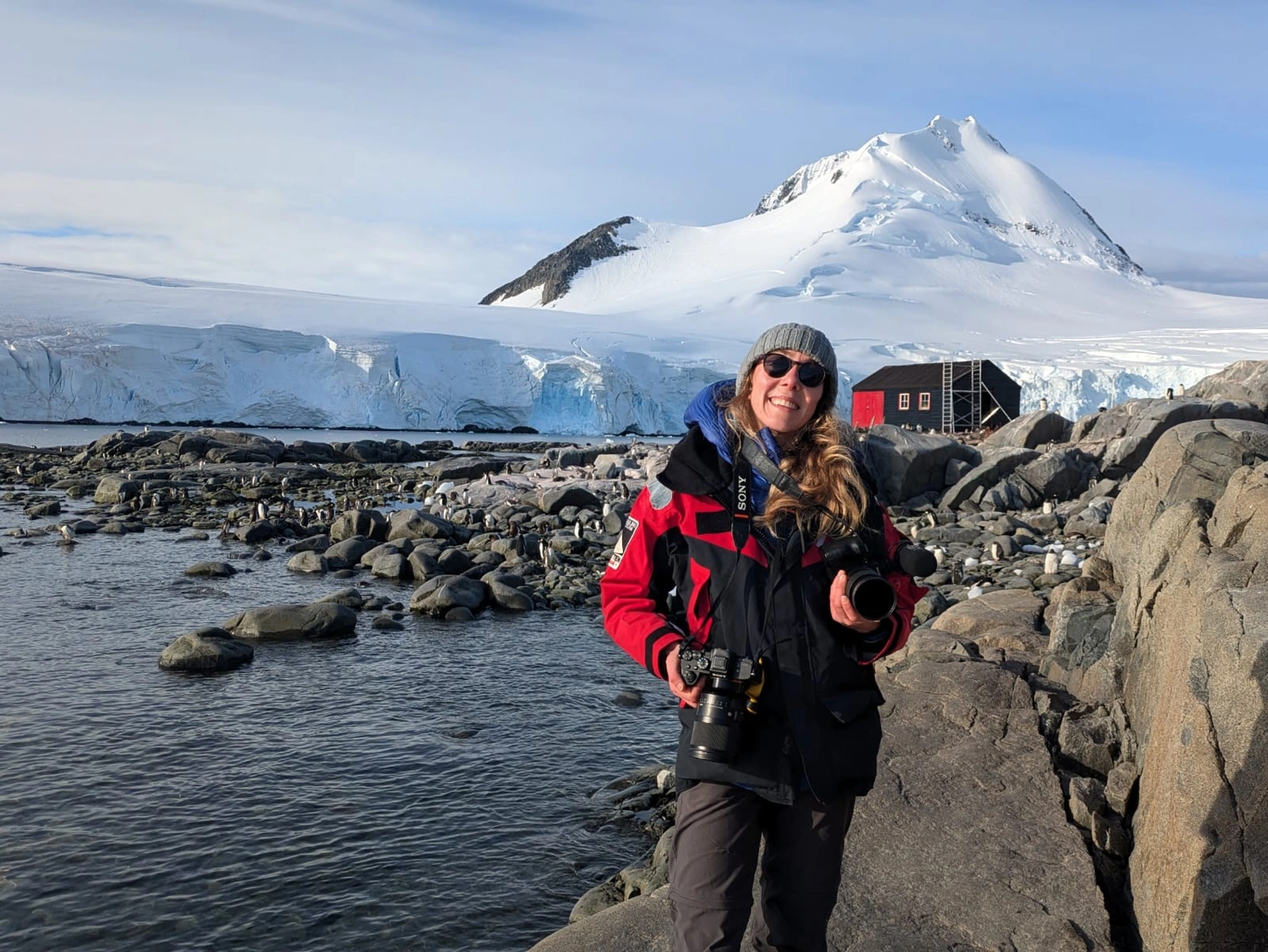
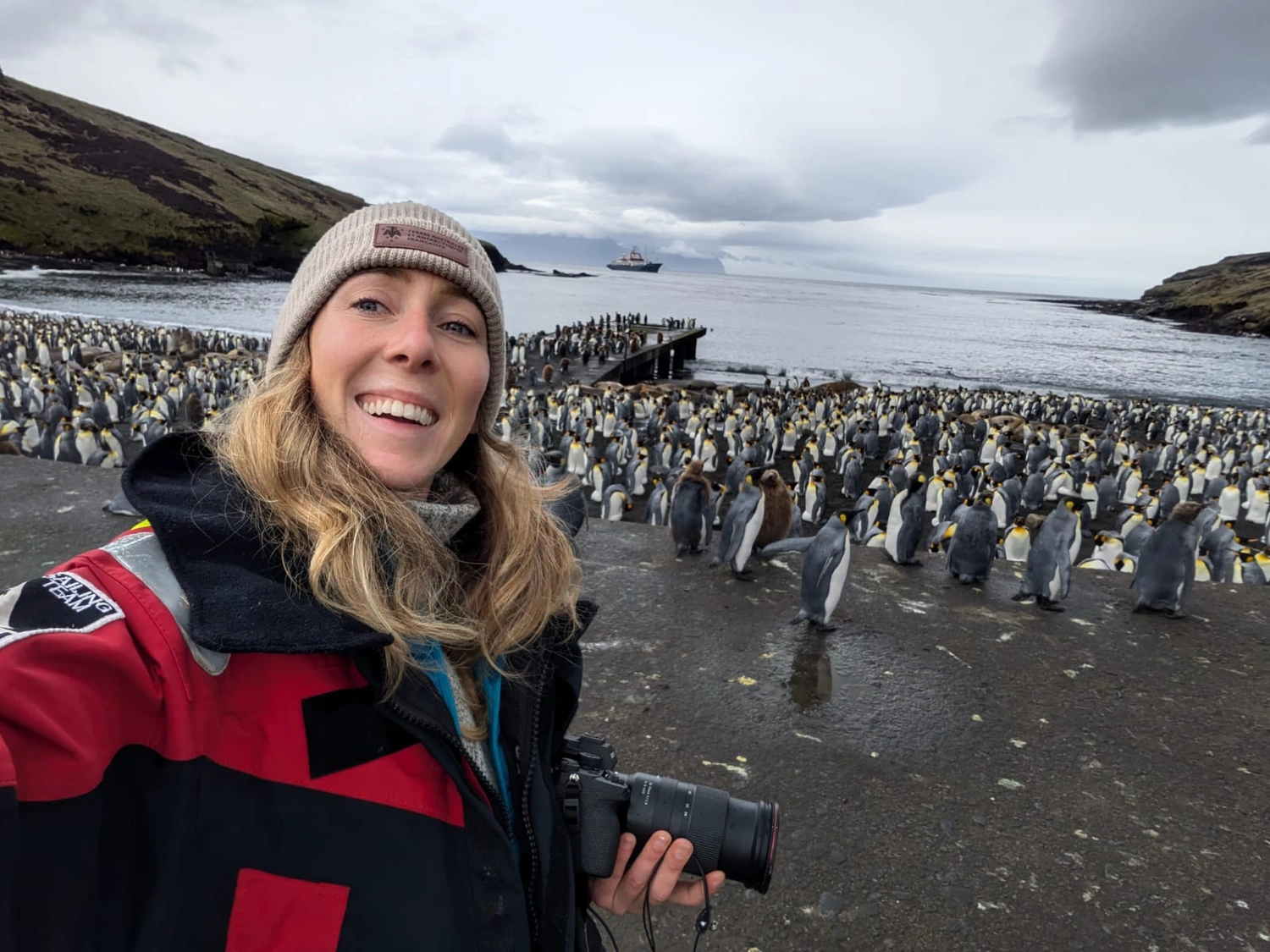
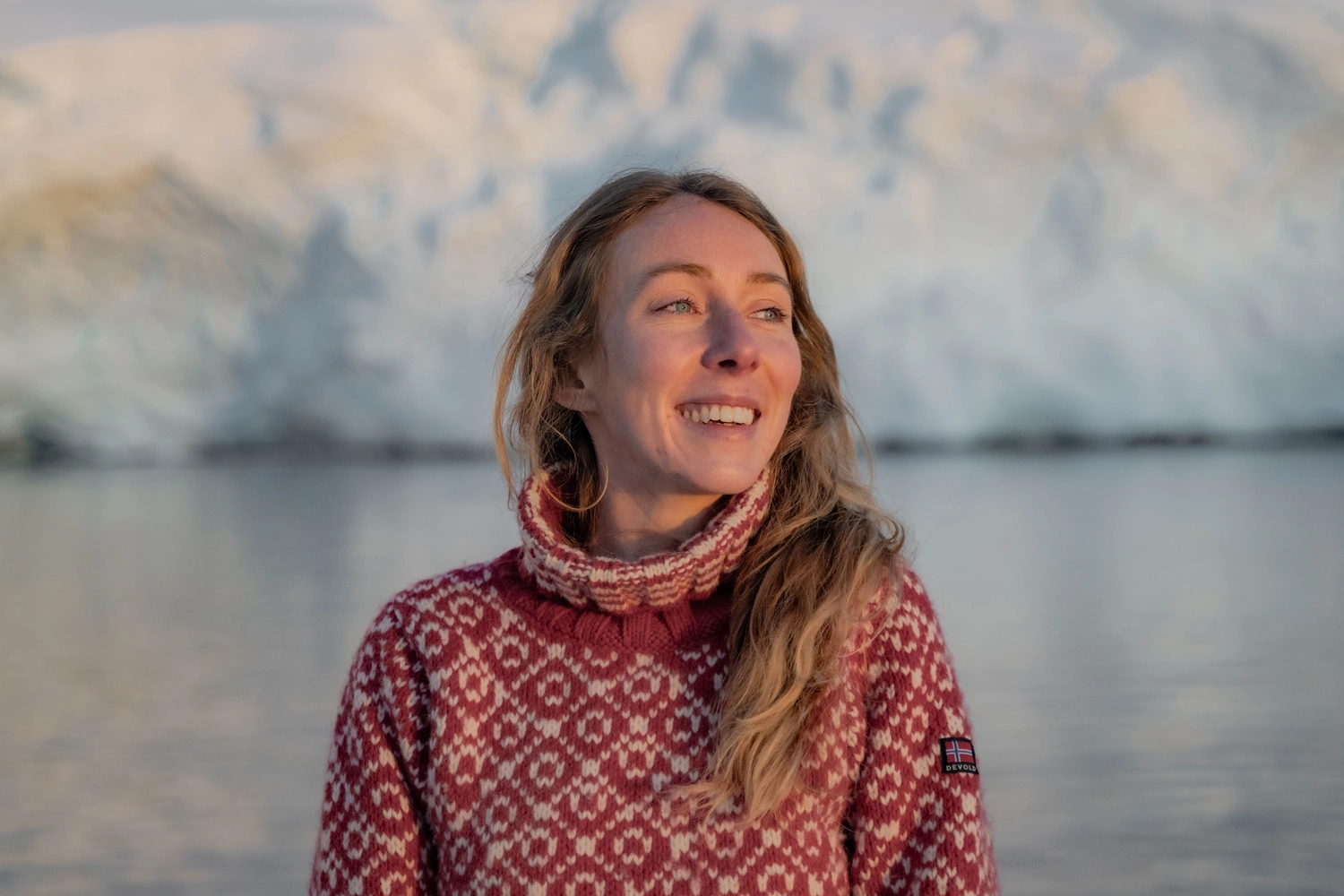
Aimée Bouchet is a photojournalist, author, and director of expedition documentaries. After studying environmental law at the University of Paris 1 Panthéon-Sorbonne, she has dedicated herself for nearly seven years to documenting the relationship between humans and territories undergoing transformation. From Alaska to Antarctica, via Greenland, Siberia, and the French Southern Territories, she accompanies scientific and humanitarian missions, bringing back films, photographs, and narratives. She collaborates with media outlets such as AFP, Paris Match, and We Demain, as well as with institutions and exploration projects like UNESCO, the National Museum of Natural History, and Under The Pole. Through her films, reports, books, teaching, and lectures, she develops a unique perspective on the construction of environmental narratives and how facts and experiences become stories that circulate within society.
