
.webp)


Lecture: From the Shores of Australia to the Collections in Le Havre: The Transformation of Ghost Nets
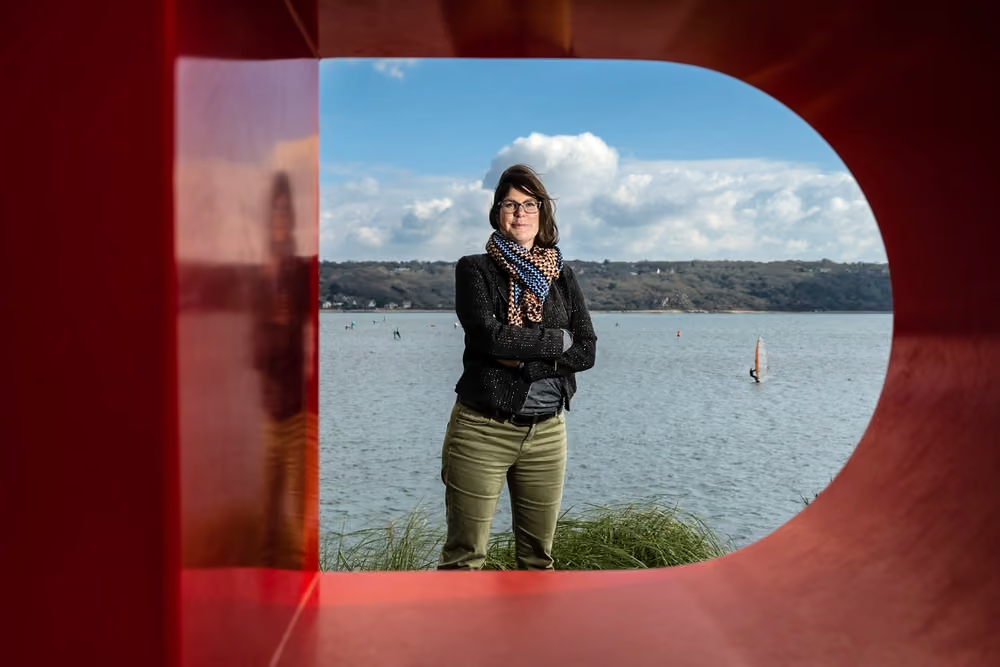
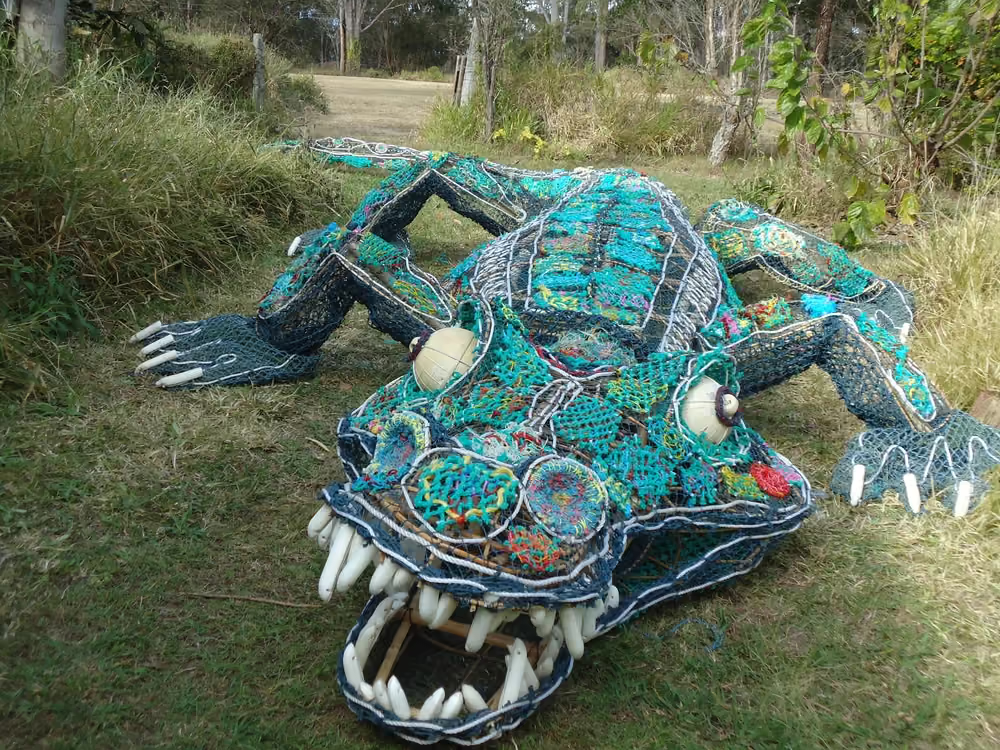
Led by anthropologist Géraldine Le Roux, this lecture traces the transformation of “ghost nets”: from deadly waste to memorial sculptures, interwoven with maritime myths and the sacred bond between coastal peoples and the living world. Echoing the museum in Le Havre, which houses Europe’s first public collection of its kind, it reveals how Australian art transforms global pollution into an ecological plea.


Dates and times
Saturday, October 3, 5:00 p.m. to 5:30 p.m.

Address
Marseille Wharf, Eure Basin
What should we do with the tons of abandoned fishing nets that are destroying our oceans? In Australia, artists have chosen to turn them into monumental, poetic, and socially conscious works of art.
In this lecture, anthropologist Géraldine Le Roux invites us to trace the metamorphosis of these “ghost nets.” Asthey transition from deadly waste to memorial sculptures, these woven objects tell the stories of maritime myths, the craftsmanship of coastal communities, and their sacred connection to the living world. In direct resonance with the Le Havre Museum—which has assembled Europe’s largest public collection of ghostnet art—this event will explore how Australian contemporary art achieves the remarkable feat of transforming global pollution into a powerful ecological and political plea. A fascinating exploration at the intersection of anthropology, contemporary art, and ocean conservation.
Géraldine Le Roux
A university professor of environmental art anthropology at the University of Brest and an exhibition curator, Géraldine Le Roux is the author of numerous publications, including two award-winning books: *L'art des ghostnets: An Anthropological and Aesthetic Approach to Ghost Nets* and *Sea Sisters: A Women’s Crew Facing the Challenge of Pollution* (2021). In 2023, Géraldine Le Roux was named by the Moho Coalition at the University of California, Berkeley, as one of the 100 leaders working to raise awareness of the issues posed by plastic.
