.webp)


Lecture - From the Shores of Australia to the Collections in Le Havre: The Transformation of Ghost Nets
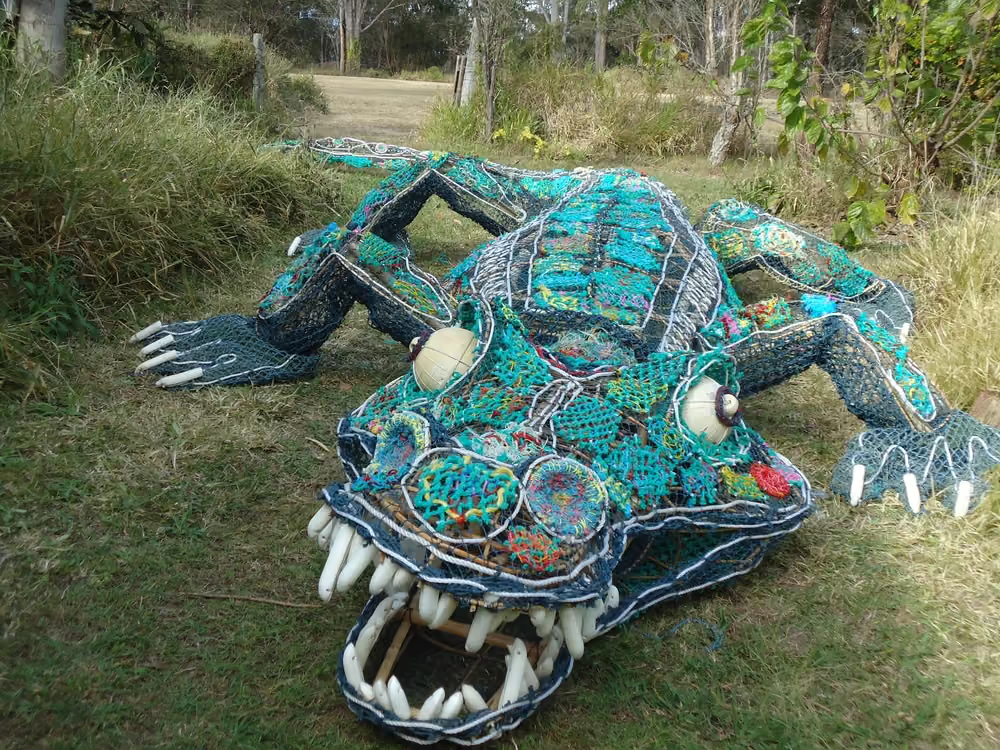
Led by anthropologist Géraldine Le Roux, this talk traces the metamorphosis of these "ghost nets": from lethal waste to memorial sculpture, woven with marine myths and the sacred bond that ties coastal peoples to the living world. Echoing the Muséum du Havre, home to Europe's first public collection of its kind, it reveals how contemporary Australian art transforms a global pollution into an ecological plea.

Dates and times
Saturday, October 3, 5:00 p.m. to 5:30 p.m.

Address
Marseille Wharf, Eure Basin
What can be done with the tonnes of abandoned fishing nets destroying our oceans? In Australia, artists have chosen to turn them into monumental works of art — poetic and politically engaged.
In this lecture, anthropologist Géraldine Le Roux invites us to follow the metamorphosis of these "ghost nets". Passing from the status of deadly waste to that of memorial sculpture, these woven objects tell of marine myths, the craftsmanship of coastal peoples and their sacred bond with the living world. In direct resonance with the Muséum du Havre — which has built up the largest public collection of ghost net art in Europe — this talk will explore how contemporary Australian art pulls off the remarkable feat of transforming a global pollution problem into a powerful ecological and political statement. A fascinating dive into anthropology, contemporary art and ocean protection.
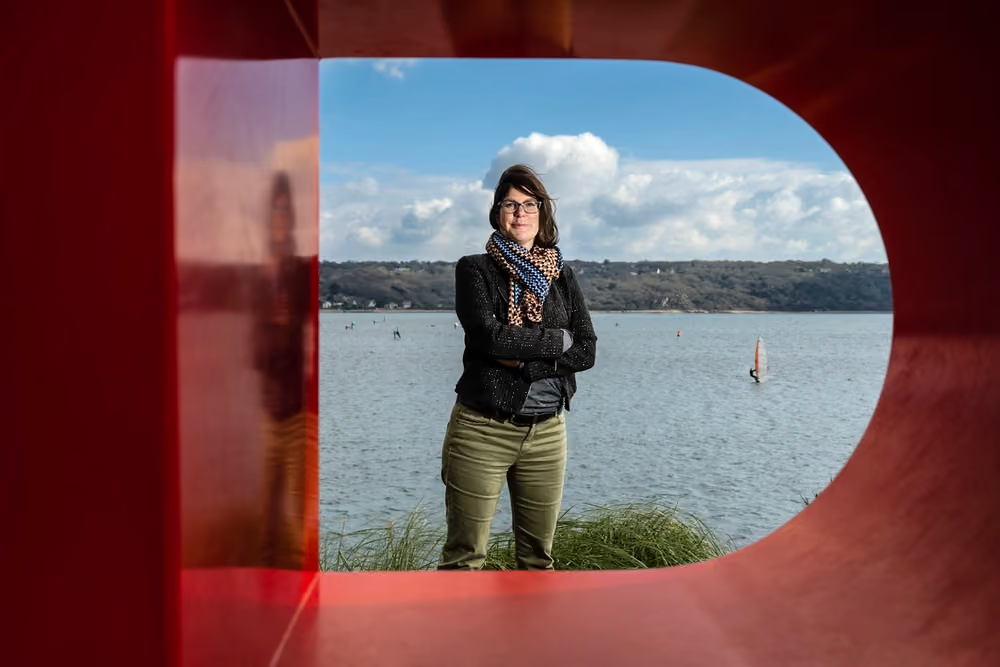
Géraldine Le Roux
Professor of anthropology of environmental art at the University of Brest and exhibition curator, Géraldine Le Roux is the author of numerous publications, including two award-winning books: L'art des ghostnets. Approche anthropologique et esthétique des filets-fantômes (The Art of Ghost Nets: An Anthropological and Aesthetic Approach to Ghost Nets) and Sea Sisters, un équipage féminin à l'épreuve de la pollution (Sea Sisters: An All-Female Crew Confronting Pollution) (2021). In 2023, Géraldine Le Roux was named by the Moho coalition of Berkeley University among the 100 figures working to raise understanding of the issues raised by plastic.
