
.webp)


Invasion of the Adriatic
No, this is not about tourists, even though it is connected to tourism. Luckily, this is not about drones, either, but we may say it has something to do with fighting off attacks. Every day, we see reports and sightings of numerous little-known or entirely unknown marine animal and plant species being shared on social and other media. This is not a recent phenomenon but a consequence of a process that has been ongoing for years, and the trend is accelerating.

Dates and times
Thursday, September 18, 6:00 pm to 7:00 pm

Address
Karolina Riječka Pier
Let’s start from the beginning. The Adriatic Sea is part of the Mediterranean Sea and is particularly vulnerable to the introduction of new, invasive species, which are increasingly expanding their presence and impact. These new species of algae, invertebrates and fish often spread rapidly and alter existing habitat conditions, frequently to the harm of native ecosystems. Invasive species compete with local species for space and resources, which can lead to a reduction in biodiversity and disruption of ecological balance.
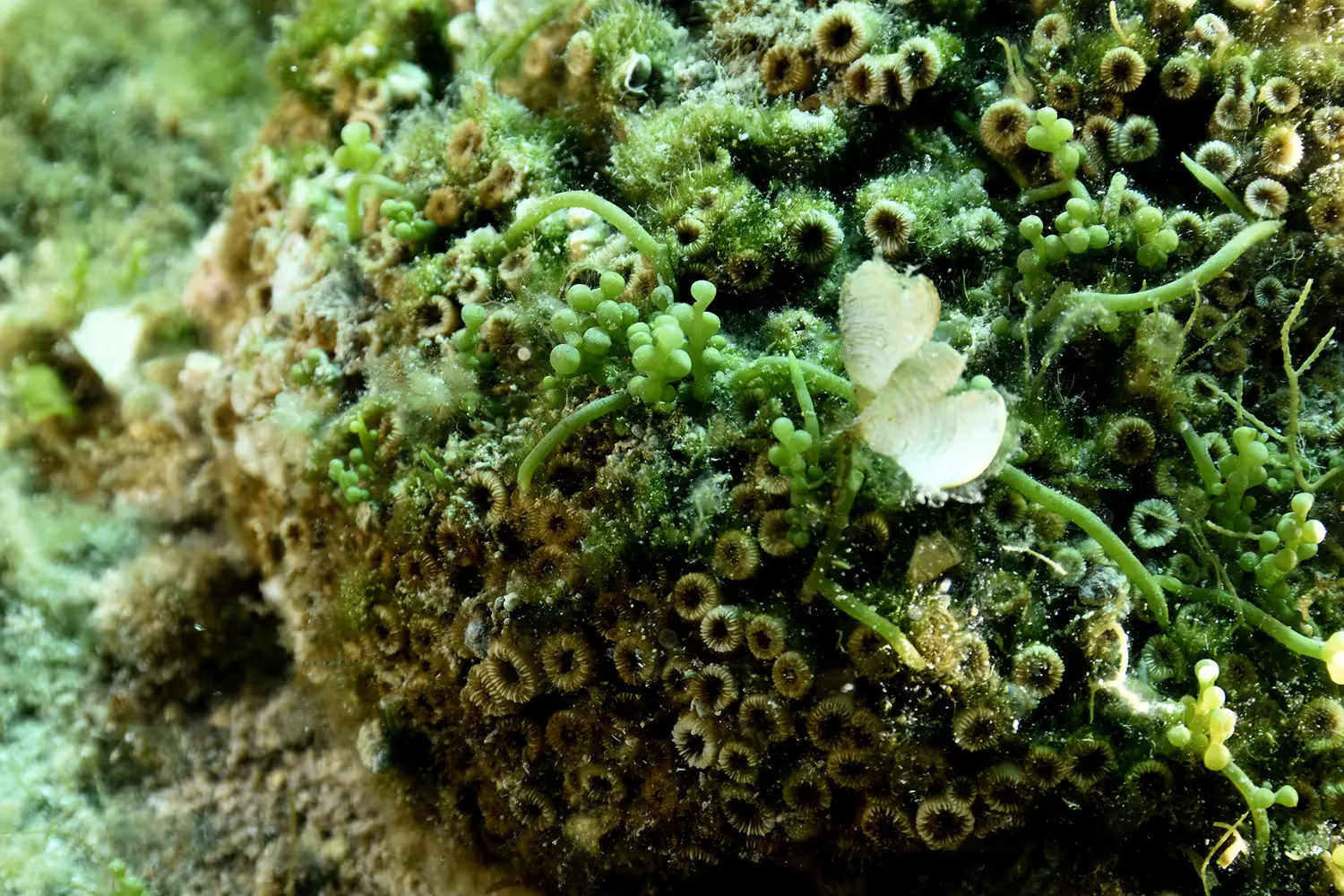
In recent years, the greatest pressure from invasive species has been recorded on the biocenosis of infralittoral algae and coralligenous communities. Among the most impactful are the red alga Womersleyella setacea and the green alga Caulerpa racemosa, which, through their rapid growth and ability to take a dominant position, threaten existing communities of marine organisms. In addition to these, Stypopodium schimperii also poses a threat in many coastal areas, as the changes community structure and reduces the availability of resources for native species.
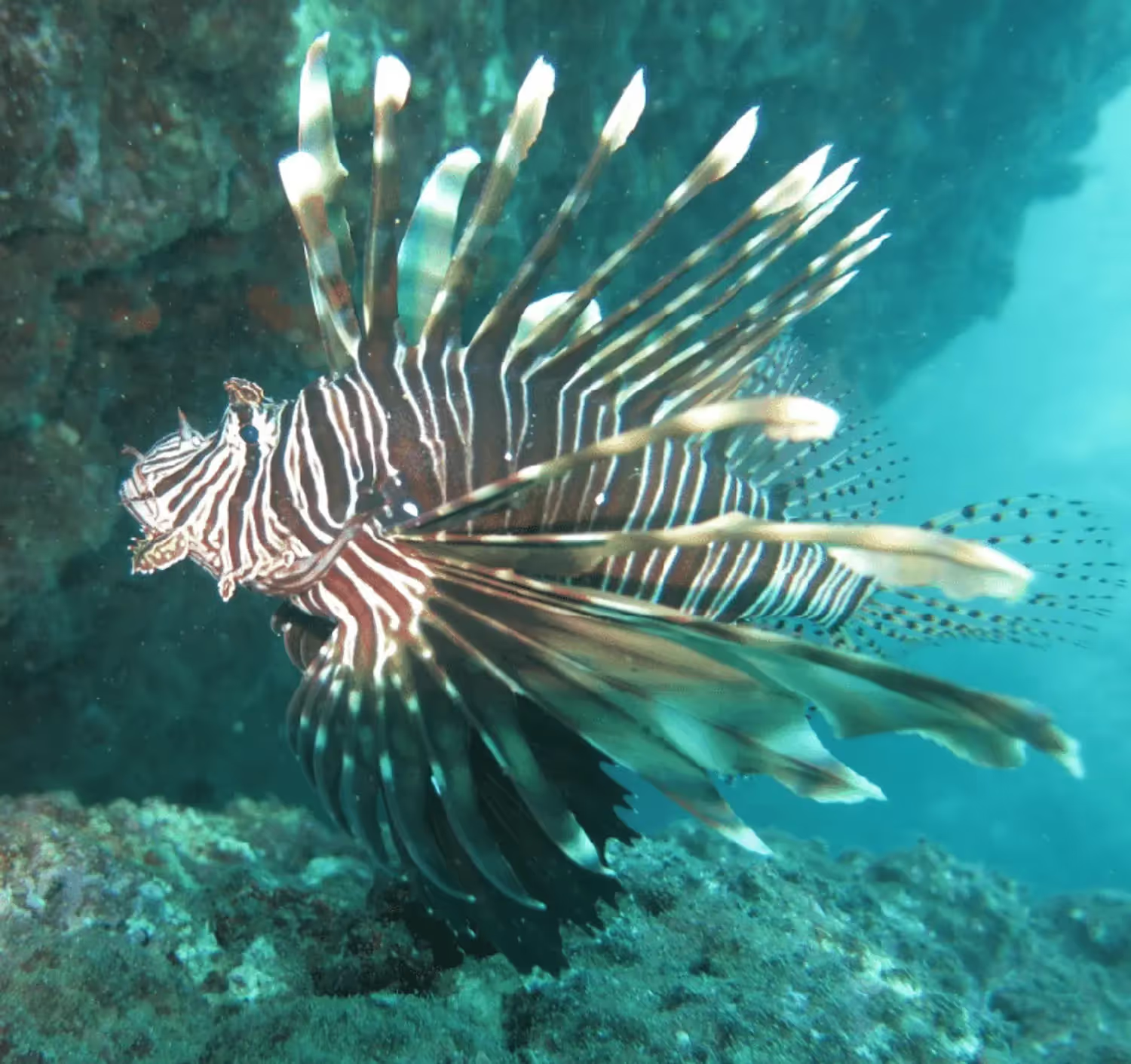
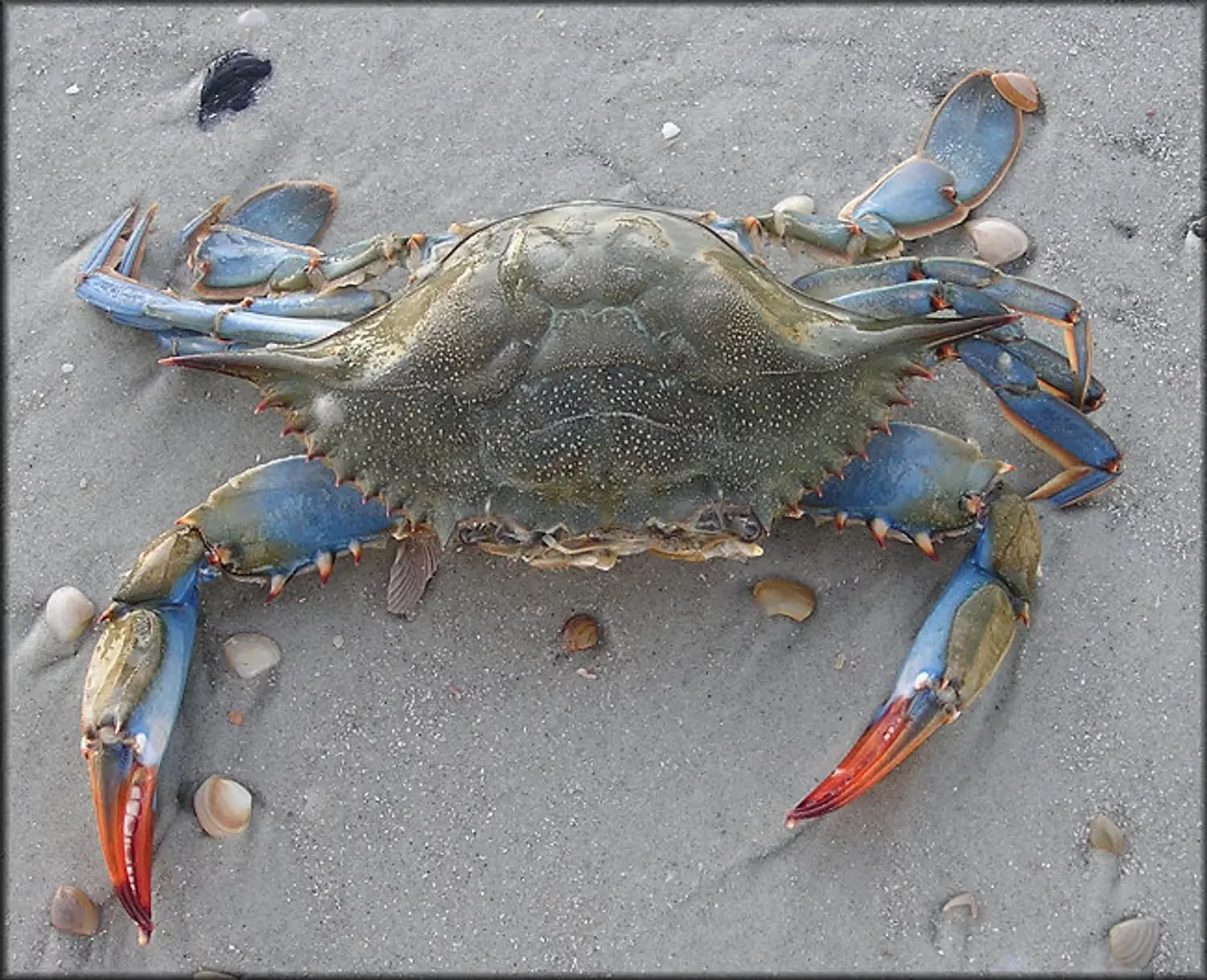
In addition to invasive plant species, there are new fish appearing in the Adriatic Sea, exerting a negative impact on marine fauna. One example is the lionfish (Pterois miles), which was first recorded in 2019 and is known for its toxicity, aggressiveness, and ability to disrupt existing food chains. This species often displaces local fish and disturbs the balance within natural communities. Furthermore, the presence of the blue crab (Callinectes sapidus) represents an additional threat, as this species is known for its rapid growth and aggressive behavior and can compete with native species for essential living conditions.
Such invasive and newly arrived species pose a serious challenge to the conservation of biodiversity in the Adriatic. It is therefore important to continuously monitor their introduction and impact on the ecosystem, and to implement measures to limit their spread and harmful effects.
Participants :
Petar Kružić, PhD, assoc. prof., University of Zagreb Faculty of Science
Patrik Krstinić, WWF Adria
Stjepan Nedoklan, president of the Fisheries and Aquaculture Guild of the Chamber of Trades and Crafts of the Primorje-Gorski Kotar County
Marin Kirinčić, senior curator, Natural History Museum, Rijeka
Moderator: Željka Modrić Surina, PhD, director of Natural History Museum, Rijeka
Marin Kirinčić Marin Kirinčić, graduated in biology from the University of Zagreb Faculty of Science. In 1997, he started working at Rijeka’s Natural History Museum as a trainee curator. He was promoted to senior curator in 2004. He served as the museum’s director from 2008 to 2013 and also worked as a curator zoologist specializing in marine invertebrates. His area of expertise is the collection of Decapod crustaceans, and he actively worked on their digital cataloguing. By decision of the Ministry of Culture of the Republic of Croatia in 2013, the Crustacean Collection was granted the status of cultural heritage. From 1997 to 2025, independently and in co-authorship, Kirinčić published one book, 15 scientific papers, 8 professional papers, and 19 studies and reports. He curated three permanent exhibitions at the Natural History Museum and contributed to several temporary exhibitions as the author, expert associate, or curator. He gave numerous presentations at biological, speleological, and museological conferences. At the Museum, Kirinčić also works as a museum advisor, lecturer and organizer of scientific and professional events directed at promoting and popularizing natural sciences. In 2025, he became a member of the Adriatic Advisory Committee within project BRAVE – Building Resilience and Adaptive Vision for the Adriatic Sea Environment, which aims to strengthen the protection and conservation of nature, biodiversity and green infrastructure.
Petar Kružić is a full professor at the University of Zagreb Faculty of Science, Department of Zoology. He teaches the courses Marine Biological Oceanography, Sea Management and Protection, Marine Biodiversity, and Diversity of Croatian Fauna. In the doctoral program in Oceanology, he teaches Conservation and Protection of Marine Biodiversity and Marine Zoobenthos. He also runs field courses in Oceanology for students of various departments. Kružić has advanced his scientific and professional expertise in marine biology, with a particular focus on the biology and ecology of corals, at institutes and universities across Europe. He collaborates with the General Fisheries Commission for the Mediterranean (FAO), participating in the work dedicated to the protection of red coral (Corallium rubrum) in the Mediterranean Sea. Petar Kružić also serves as the president of the Croatian Biological Society. His scientific and professional activities include research on hard-bottom macrozoobenthos in the Adriatic Sea, especially the Cnidaria group. He is a great nature enthusiast and an active advocate of its protection. He engages in underwater photography primarily in the context of scientific projects and habitat monitoring, but for the past twenty years it has been his hobby. Kružić says:
“The exploration of the underwater world is very simple, and it starts with one of the greatest human traits: curiosity. Ever since I was a child, I was constantly fascinated by nature, especially by that barrier between the world above, which is more or less familiar to us, and the world below, which is still largely unknown. Two different worlds. Underwater photography is extremely important because it conveys new knowledge both to me as a biologist and to other people whose work is not related to the sea. Through photography, you can show people the beauty of the underwater world, which is something not everyone gets to see. And to others (mostly the skeptics), you can show the changes, often negative ones, that are happening beneath the surface. People find it very hard to understand that this is a water planet, that it’s all we have, and that we must protect it. Biologists and photographers have a unique opportunity to witness what is happening underwater and to document it. What we are doing now is not just creating photographs – we are recording moments and places that may be irreversibly changed in the next few years. And I am talking about the Adriatic as well. The sad part is that everything has already changed: large fish schools are disappearing, as well as seagrass meadows and reefs. Over the past two decades, climate has changed and global warming increased, and the consequences are visible. Yet, our underwater world is still a paradise, especially for underwater photographers. This is why I love capturing sea life. I often say that my favorite photograph is the one I haven’t taken yet.”
Patrik Krstinić, M.Ed. in biology, is a seasoned conservation expert with over 14 years of experience leading ranger and conservation services within marine protected area (MPA) management institutions, as well as managing the WWF Adria Marine Program. His diverse background in MPA compliance – including conservation compliance program development, remote field operations, and sustainable tourism initiatives – has enabled him to understand the key management and governance factors necessary to achieve ecological effectiveness, social acceptance of management measures, and livelihood benefits for coastal communities. His future plan is to continue asking questions about our impact on the oceans, to apply available mitigation tools, and to envision new ones.
Stjepan Nedoklan was born in 1967 on the island of Mali Lošinj, Croatia. He completed secondary education in Mali Lošinj, qualifying as a chef. He worked briefly in the hospitality sector. In 2001, he began working in the fishing industry, and in 2005 he established a fishing business in Mali Lošinj, which is still operating today. After entering the world of entrepreneurship, he became a member of the Fisheries Guild of the Cres-Lošinj Association of Craftsmen. Since 2011, he has served as president of the Fisheries Guild of the same association, as well as president of the Fisheries, Mariculture and Agriculture Guild of the Chamber of Trades and Crafts of Primorje-Gorski Kotar County. He still holds both positions today. Stjepan Nedoklan is also a member of the Fisheries and Aquaculture Guild of the Croatian Chamber of Trades and Crafts. In 2022, he was appointed president of the Fisheries and Aquaculture Guild of the Croatian Chamber of Trades and Crafts. With his professional knowledge, experience, and excellent understanding of fisheries, as well as fruitful cooperation with the Directorate of Fisheries and other relevant institutions, he has made a significant contribution to improving the work of the Fisheries Guild at all levels.
