.webp)
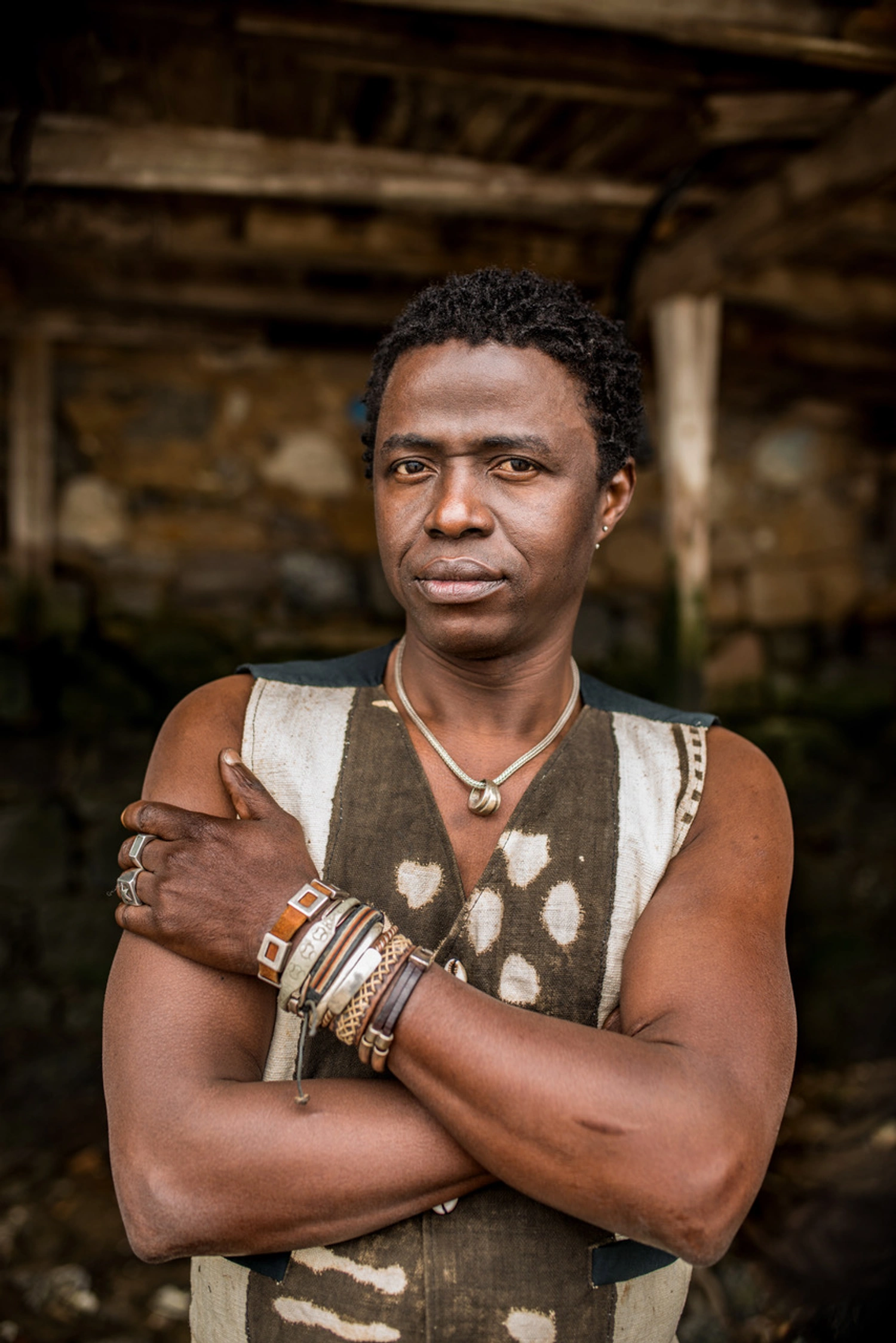
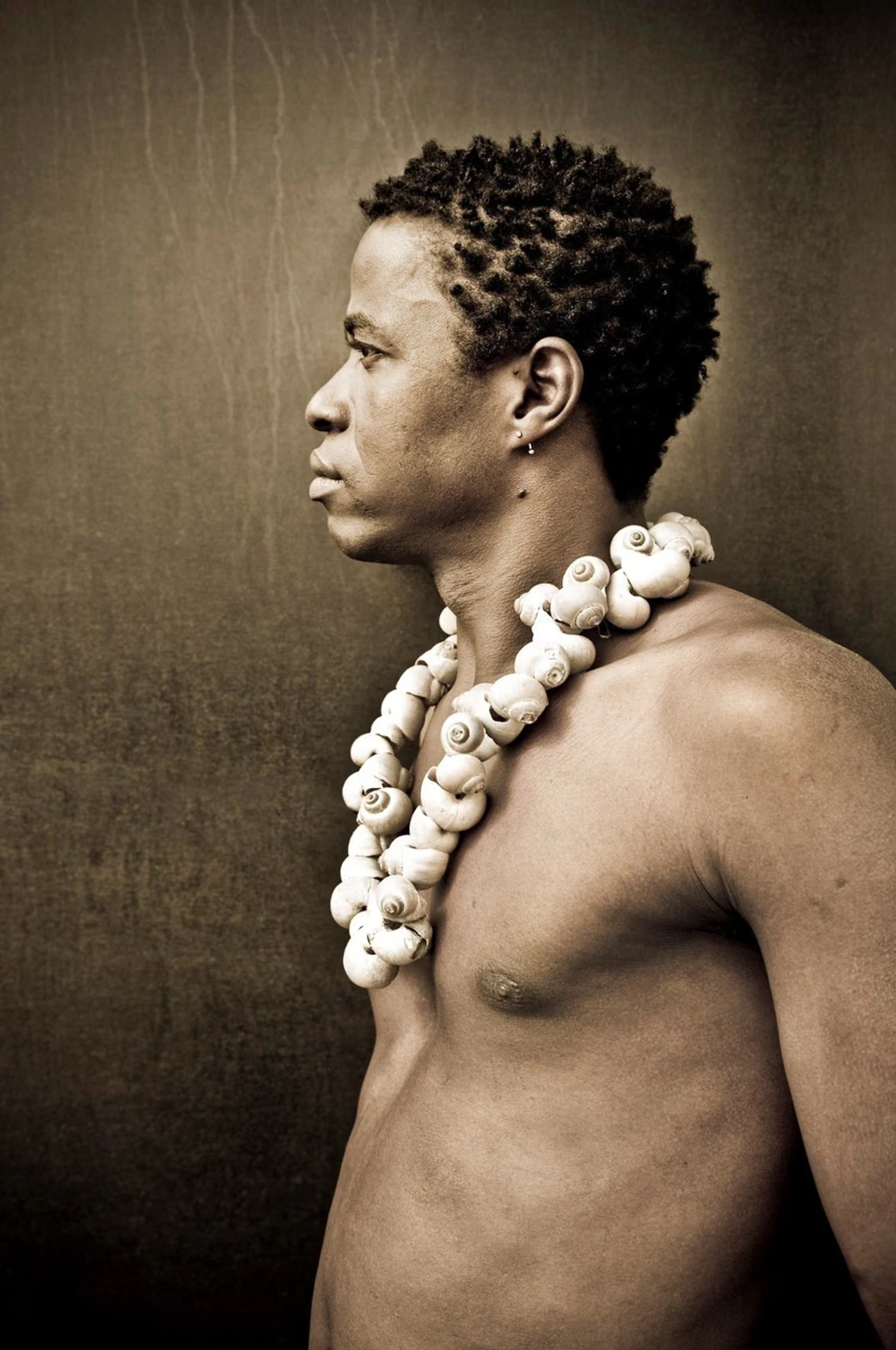
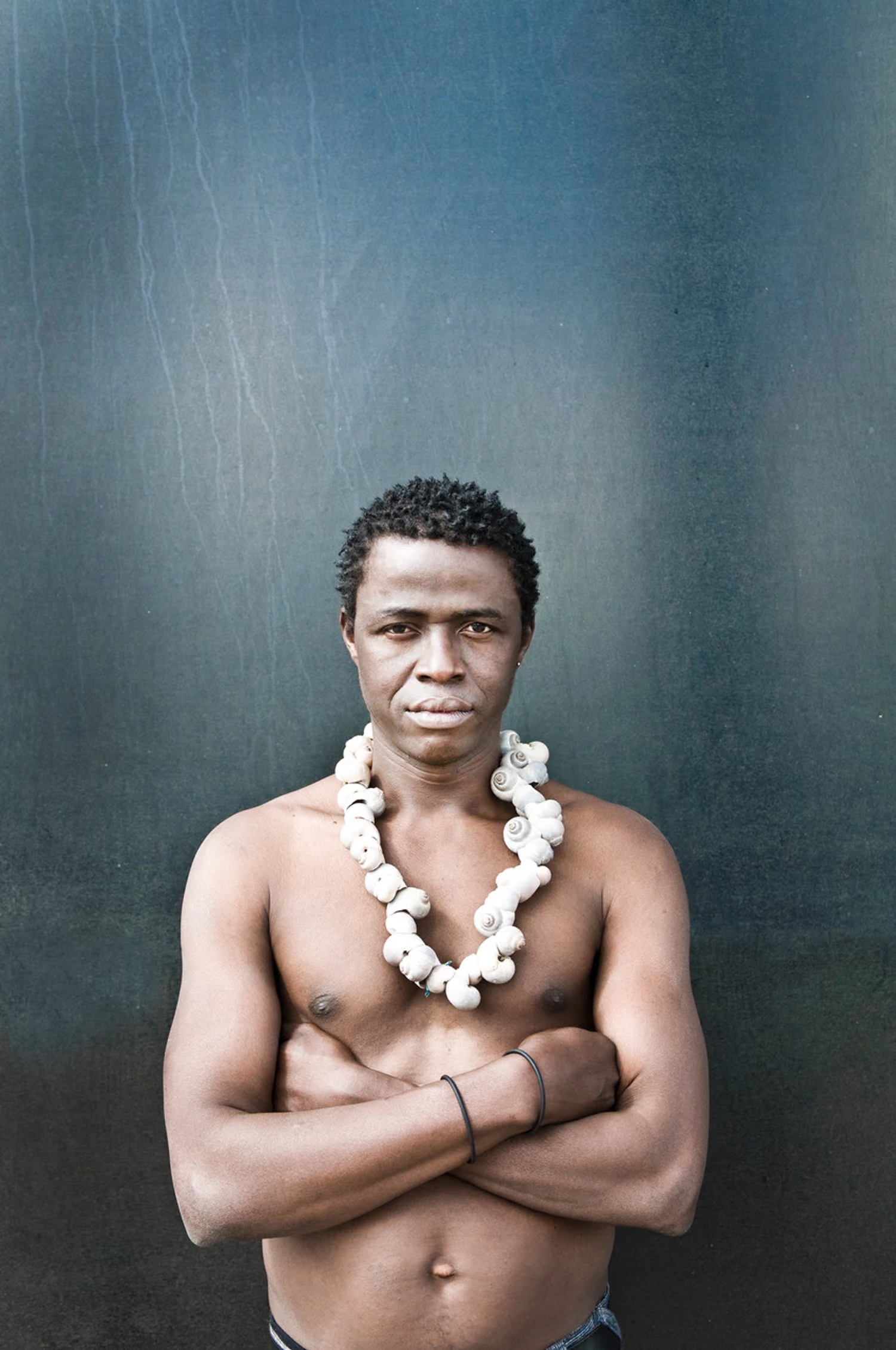


Kimi Djabaté
As a heir to the Mandinka griot tradition, Kimi Djabaté places the balafon at the heart of his music, alongside the kora, guitar, percussion, and vocals. Based in Portugal, he weaves West African traditions together with jazz, blues, fado, and bossa nova, creating a soundscape that is both deeply rooted and resolutely contemporary. Sung in Mandinka, Creole, and Portuguese, his songs carry a message of social commitment: the defense of women’s rights, a call for peace, and a celebration of tolerance and intercultural dialogue. <span>Concert curated by Alain Weber. </span>


Dates and times
Friday, June 26, from 6:30 p.m. to 7:30 p.m.

Address
Cascais Marina

Accessibility
Accessible to wheelchair users. Participatory performance involving movement and sound.

Additional Information
Free entry. Booking in advance is recommended; plan to arrive 15 minutes early to secure your place. Walk-ins are welcome subject to availability.
Kimi Djabaté's artistic practice draws on a profound heritage: that of the Mandinka griots, guardians of a musical memory passed down orally for centuries. The balafon, the central instrument of this tradition, remains the heart of his musical language, which he enriches with the kora, the guitar, percussion and singing. His voice, gentle and deep, carries words in Mandinka, in Guinea-Bissau Creole and at times in Portuguese.
Having lived in Portugal since his teenage years, the artist has developed a deliberate approach of cross-cultural fusion: he allows Mandinka rhythms to converse with jazz, blues, soul, bossa nova and fado, creating a sound world that is at once deeply rooted and resolutely contemporary. His arrangements, often pared back, leave room for emotion and melody, while incorporating acoustic influences from across the globe.
His work is also imbued with social and humanist engagement. Through his songs, he addresses the condition of women in West Africa, denounces forced marriage (notably in the track "Bgijan"), and celebrates peace, education, tolerance and dialogue between cultures. On stage, his virtuoso playing and the infectious warmth of his concerts carry this message further: turning music into a space of encounter, transmission and transformation.
Concert curated by Alain Weber.
Kimi Djabaté
Kimi Djabaté was born in 1975 in Tabatô, a village in central Guinea-Bissau renowned as a major centre of Mandinka musical tradition. He belongs to a long line of griots (djelis), the custodians of the oral history and music of their people. From the age of three, he began playing the balafon under the guidance of his father and the village elders, before learning the kora, the djembe, the guitar and singing.
As a young boy, he accompanied his family at traditional ceremonies and performed throughout the region. In his teenage years, he left Guinea-Bissau for Portugal, where he settled permanently, mainly in Lisbon. There he continued his solo career and released his first album, Teterê, in 2009. It was followed by Karam (2013), Kanamalu (2019) and Dindin (2022), all praised by international critics.Today, Kimi Djabaté performs regularly on European, African and American stages, and stands as one of the most prominent figures of the West African musical diaspora in Europe.

The artists