
.webp)
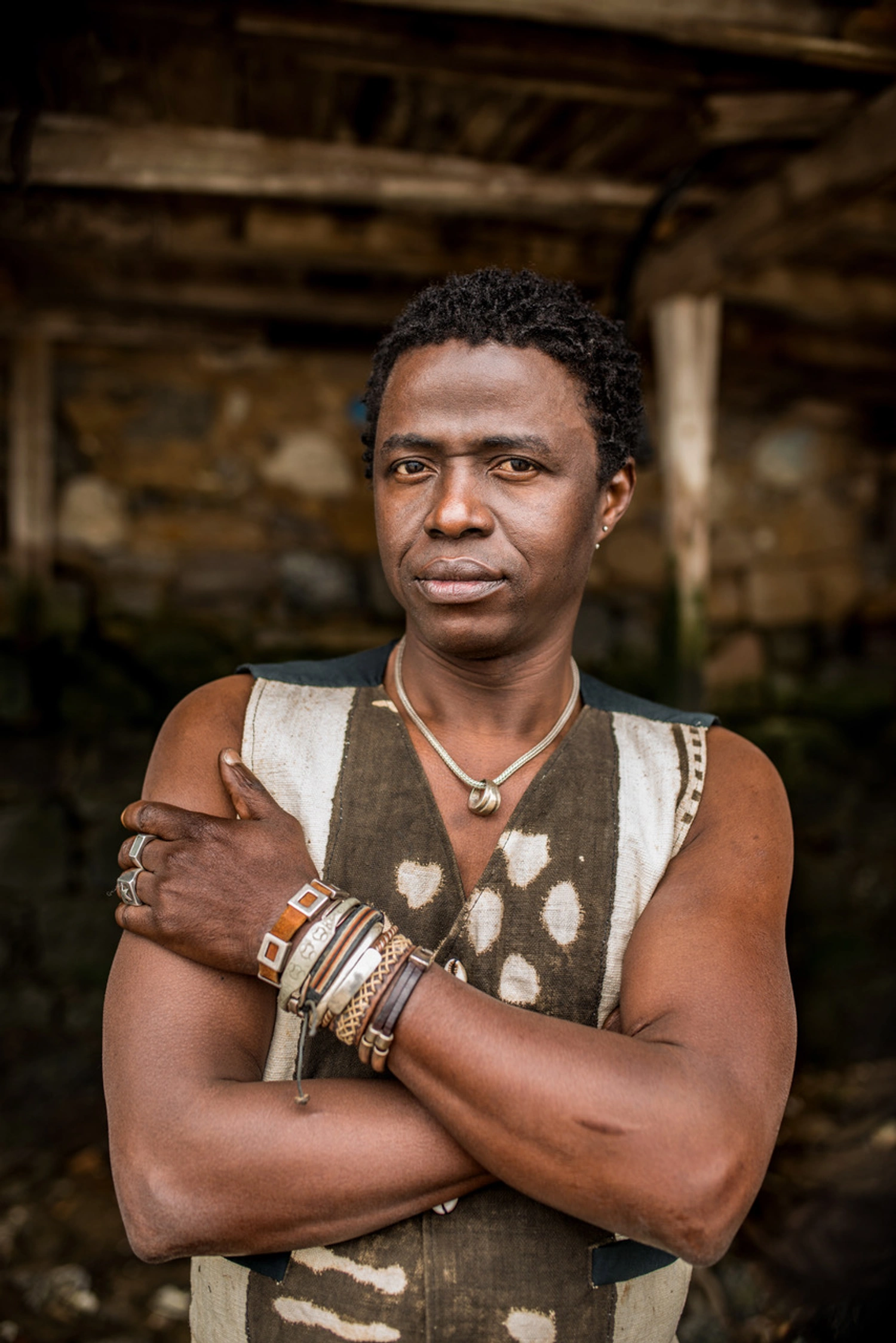
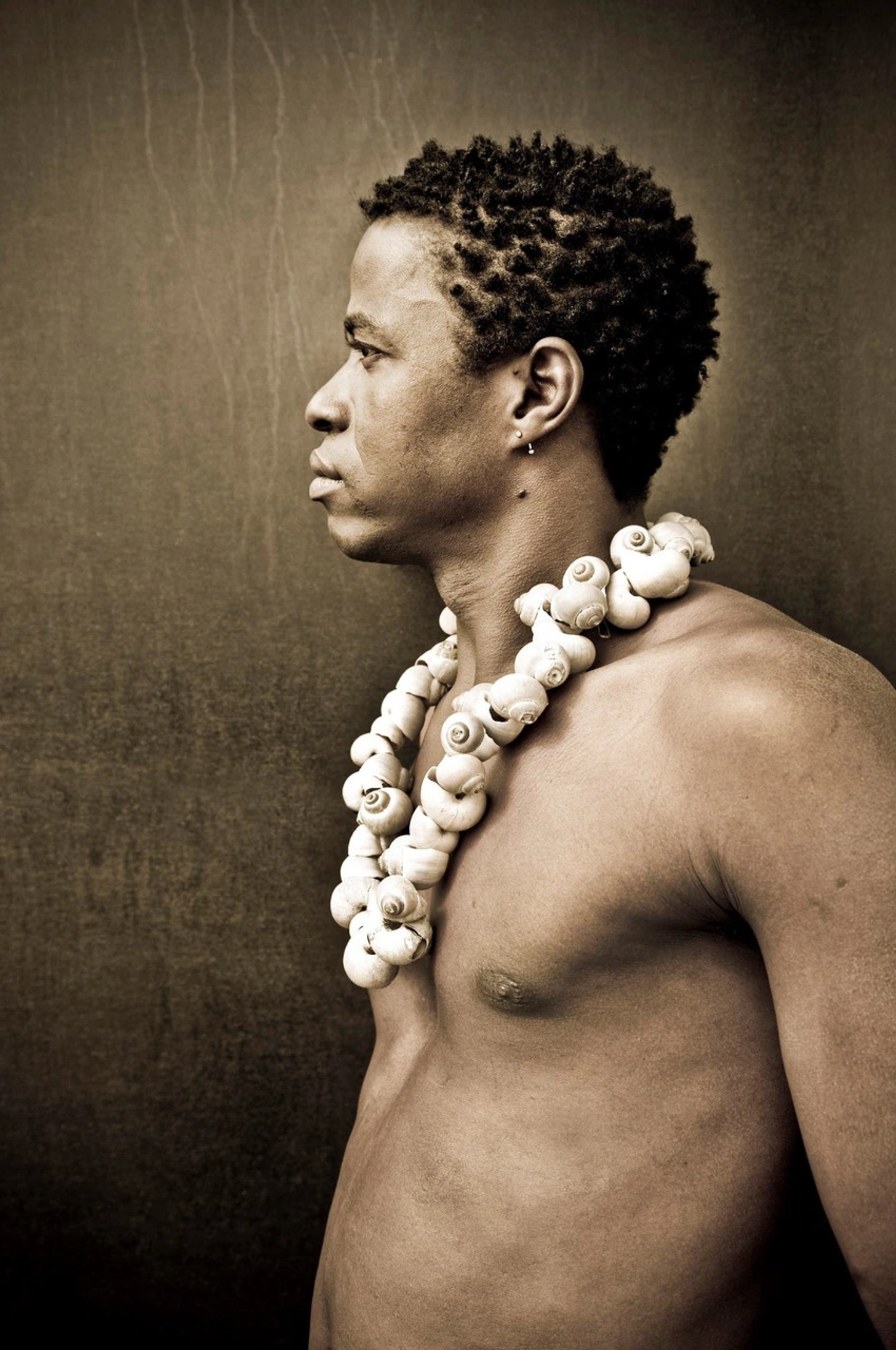
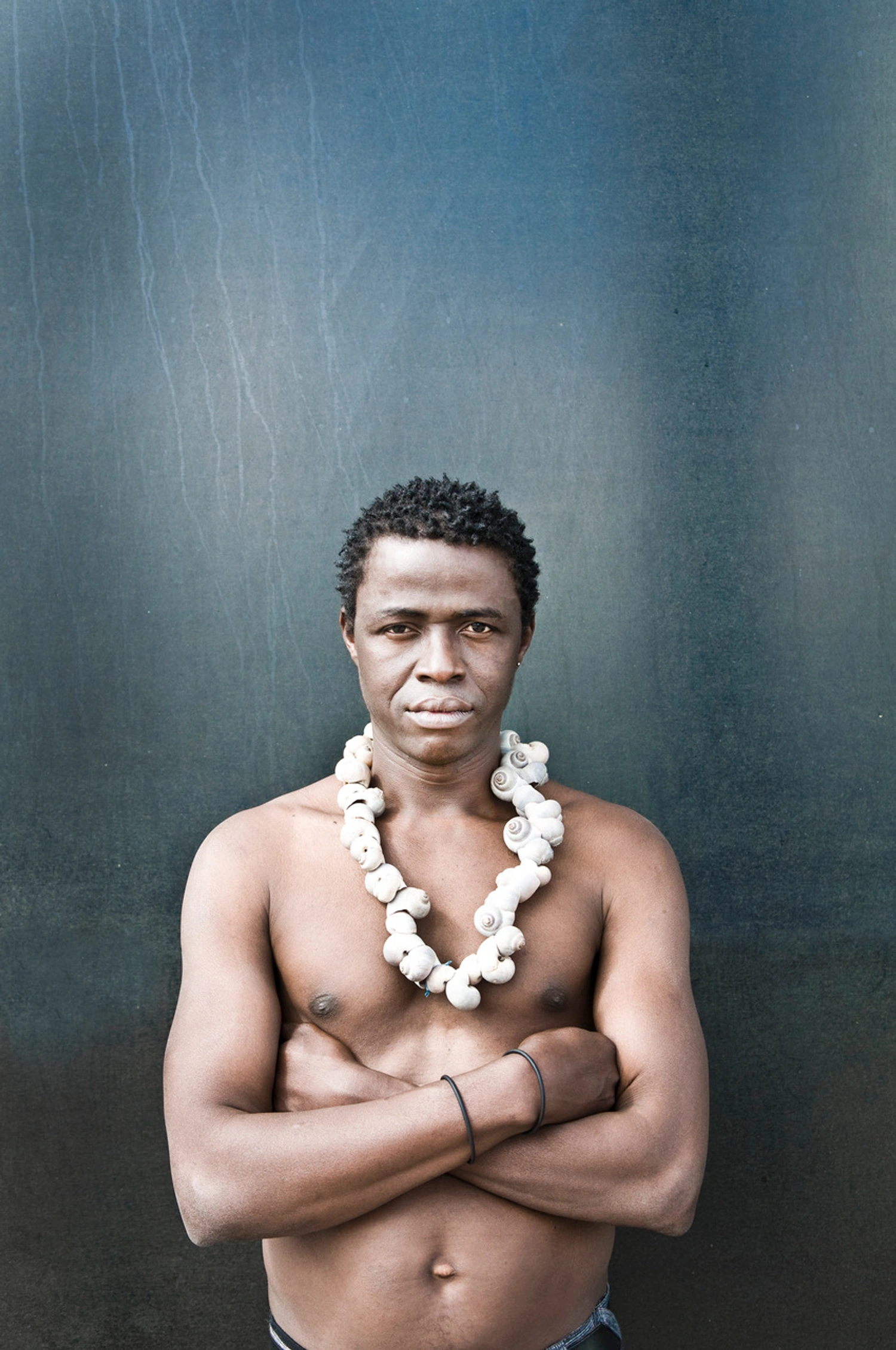


Kimi Djabaté
As a heir to the Mandinka griot tradition, Kimi Djabaté places the balafon at the heart of his music, alongside the kora, guitar, percussion, and vocals. Based in Portugal, he blends West African traditions with jazz, blues, fado, and bossa nova, creating a soundscape that is both deeply rooted and resolutely contemporary. Sung in Mandinka, Creole, and Portuguese, his songs carry a message of social commitment: the defense of women’s rights, a call for peace, and a celebration of tolerance and intercultural dialogue.

All dates


KIMI DJABATÉ


As a heir to the Mandinka griot tradition, Kimi Djabaté places the balafon at the heart of his music, alongside the kora, guitar, percussion, and vocals. Based in Portugal, he blends West African traditions with jazz, blues, fado, and bossa nova, creating a soundscape that is both deeply rooted and resolutely contemporary. Sung in Mandinka, Creole, and Portuguese, his songs carry a message of social commitment: the defense of women’s rights, a call for peace, and a celebration of tolerance and intercultural dialogue.
Kimi Djabaté’s artistic practice draws on a rich heritage: that of the Mandinka griots, guardians of a musical tradition passed down orally for centuries. The balafon, the central instrument of this tradition, remains at the heart of his musical language, which he enriches with the kora, guitar, percussion, and vocals. His soft, deep voice carries lyrics in Mandinka, Guinea-Bissau Creole, and sometimes Portuguese.
Having lived in Portugal since his teenage years, the artist has developed a deliberate approach to intercultural fusion: he brings Mandinka rhythms into dialogue with jazz, blues, soul, bossa nova, and fado, creating a soundscape that is both deeply rooted and resolutely contemporary. His arrangements, often minimalist, give way to emotion and melody, while incorporating acoustic influences from around the world.
His work is also marked by a social and humanistic commitment. Through his songs, he addresses the status of women in West Africa, denounces forced marriages (notably in the track “Bgijan”), and celebrates peace, education, tolerance, and intercultural dialogue. On stage, his virtuosity and the infectious energy of his concerts carry this message further: music becomes a space for connection, transmission, and transformation.
Kimi Djabaté
Kimi Djabaté was born in 1975 in Tabatô, a village in central Guinea-Bissau renowned as a hub of Mandinka music. Coming from a long line of griots (djelis), guardians of their people’s oral and musical traditions, he began playing the balafon at the age of three under the guidance of his father and the village elders, before learning the kora, the djembe, the guitar, and singing.
As a child, he accompanied his family to traditional ceremonies and performed throughout the region. As a teenager, he left Guinea-Bissau for Portugal, where he settled permanently, mainly in Lisbon. There, he pursued his solo career and released his first album, *Teterê*, in 2009. This was followed by Karam (2013), Kanamalu (2019), and Dindin (2022), all of which received international critical acclaim. Today, Kimi Djabaté performs regularly on stages across Europe, Africa, and the Americas, and is among the most prominent figures in the West African musical diaspora in Europe.
Practical information

Address
Cascais Marina

Accessibility

Dates and times
Friday, June 26, from 6:30 p.m. to 7:30 p.m.

Safety

ADDITIONAL INFORMATION
EXPERIENCES On board


Immersive exhibition Presents
Created with the exceptional collaboration of the Musée du Louvre, this exhibition highlights female figures in Mediterranean civilisation, thanks to the digitisation and modeling of part of the Louvre's collections. A two-stage experience: an introductory film to provide context, followed by an immersive experience in a 16-meter-long tunnel covered by 120 m2 of LED screens.
A sound journey through the Mediterranean
An immersive sound experience designed by Ircam, inviting the public to explore the richness and diversity of the Mediterranean through headphones equipped with spatialized sound.
.webp)
© Elisa Von Brockdorff
The artists

Frequently asked questions
Yes, the boat is freely accessible on site. However, you can pre-book your time online on our website.
For reasons of safety and preservation of the boat, high heels and stilettos may not be worn on the boat.
The museum boat is open to all free of charge. To find out on which quay it will be moored, or to pre-book your slot, consult the page dedicated to your town.
Appropriate facilities have been set up on the Festival site for the reception and access of people with reduced mobility. The boat is equipped with a 1m-wide ramp, accessible to people with reduced mobility, but may require the accompaniment of a third party due to its gradient of over 6%. Access to the aft deck and immersive exhibition is possible. However, the upper deck is not accessible. Please inform us in advance of any special accessibility requirements, so that we can make the necessary arrangements.